
Work / Case study
Fanatics Fantasy MMA
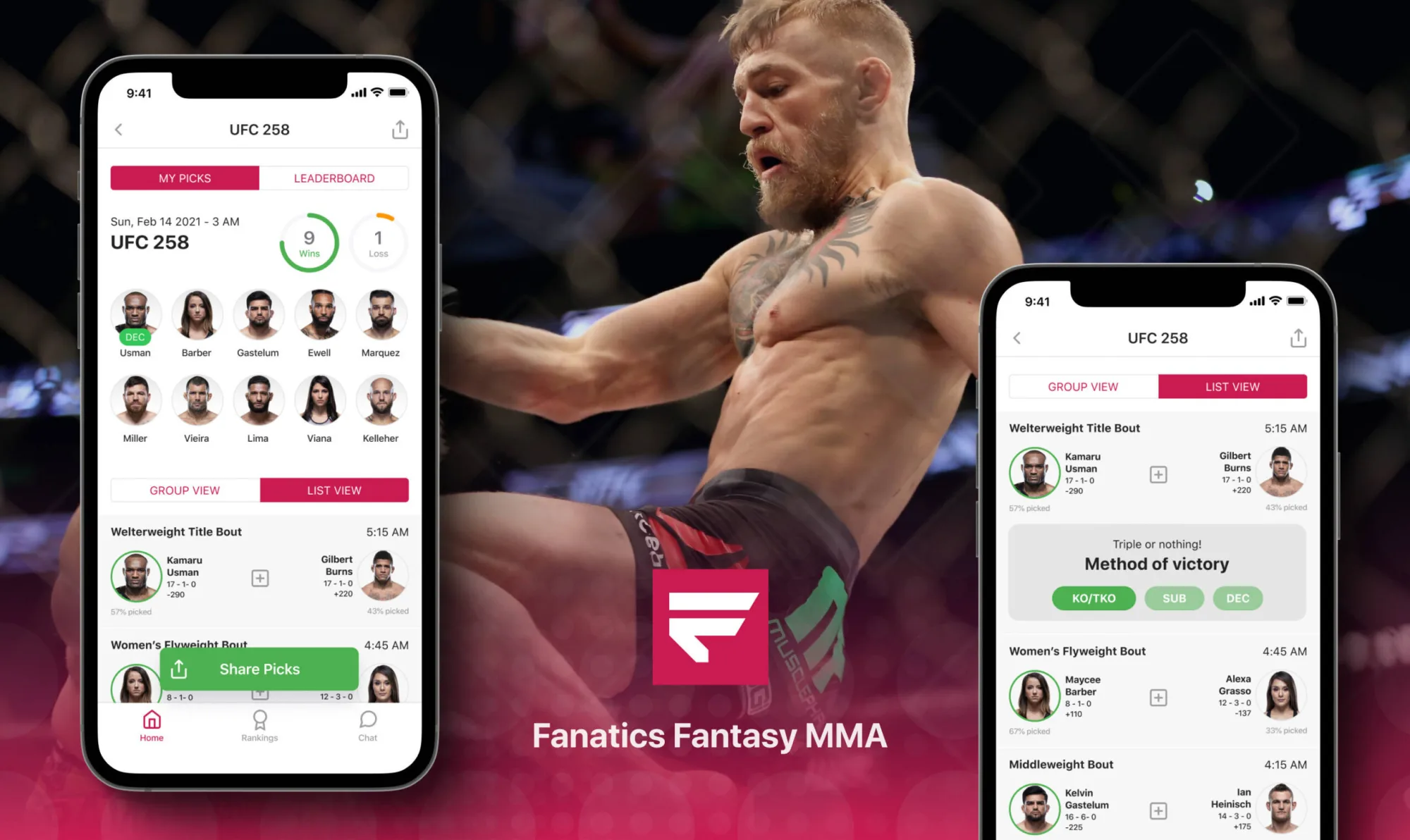
A mobile-first fantasy sports app built by and for passionate MMA fans — designed end-to-end across iOS and Android, centred on live UFC events.
🧩 Context
Fanatics Fantasy MMA is a mobile-first fantasy sports app built by and for passionate fans of mixed martial arts. I was selected to develop the concept while collaborating with MMA enthusiasts and entrepreneurs who envisioned a fan-focused experience centred on live UFC events.
🚧 Challenge
The engagement involved entirely remote coordination across Asian time zones while I worked from the UK. The stakeholder group had strong ideas but required structured guidance to transform them into an intuitive product. A critical need existed to establish UX fundamentals from the ground up — integrating fantasy gameplay mechanics with MMA's distinctive rhythm and competitive structure.
🎯 Goals
- Define the MVP feature set for launch on both Android and iOS
- Design a seamless experience for casual and hardcore MMA fans alike
- Create a flexible, scalable design system for future updates
- Prototype and validate interaction flows before handoff
- Deliver a polished UI aligned with fan culture and UFC energy
🔍 Approach
- Stakeholder Workshops — remote sessions to define goals, feature priorities, and user needs
- User Personas — profiles based on fantasy sports behaviour and MMA fan motivations
- Wireframes & Prototyping — mid- to high-fidelity wireframes to map game flow and interaction
- User Testing — early-stage tests to validate navigation and gameplay comprehension
- Design System — a modular UI library to support feature growth post-launch
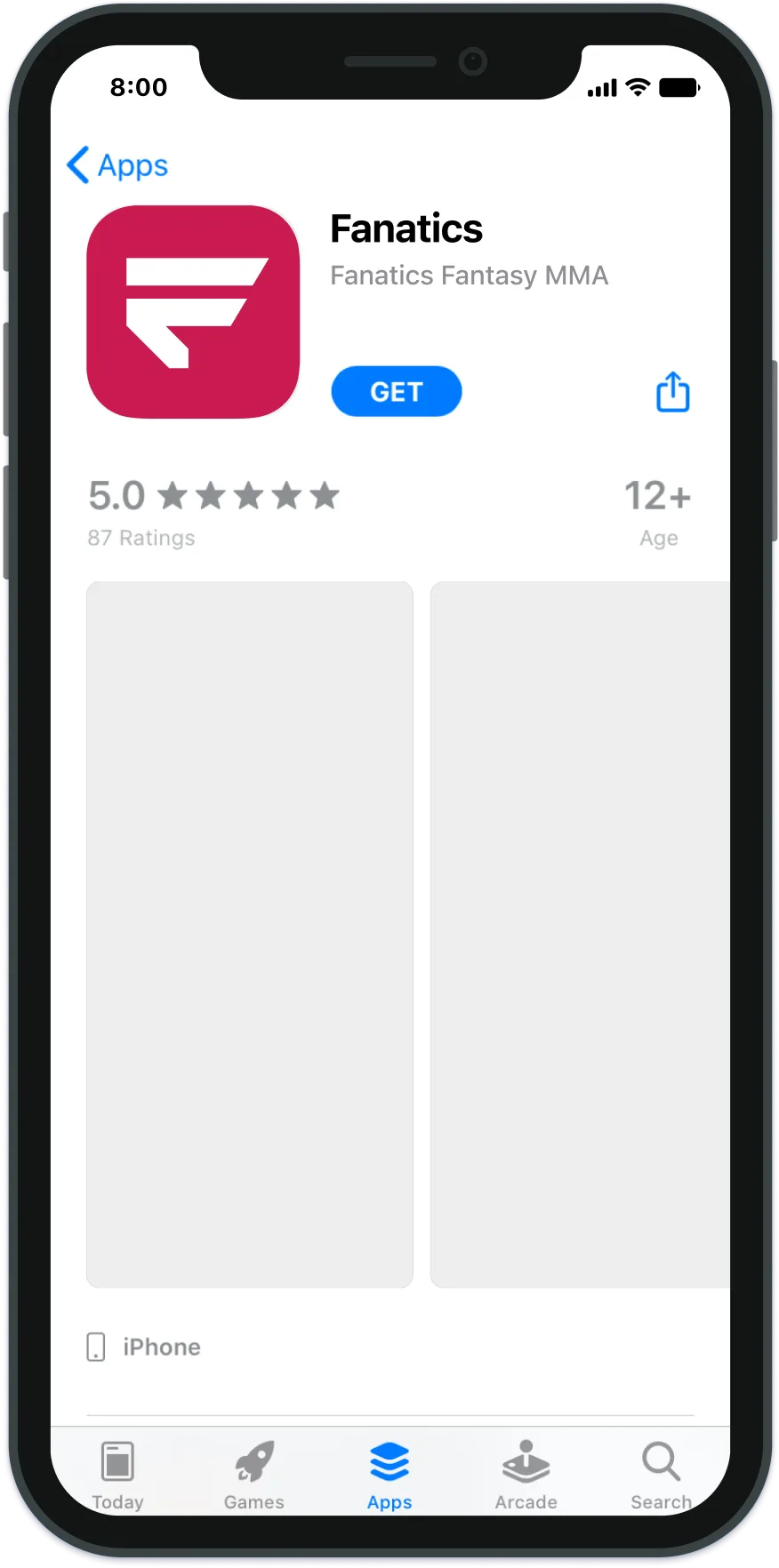
- Final Designs — polished, platform-specific UI for iOS and Android, optimised for store review

✅ Outcome
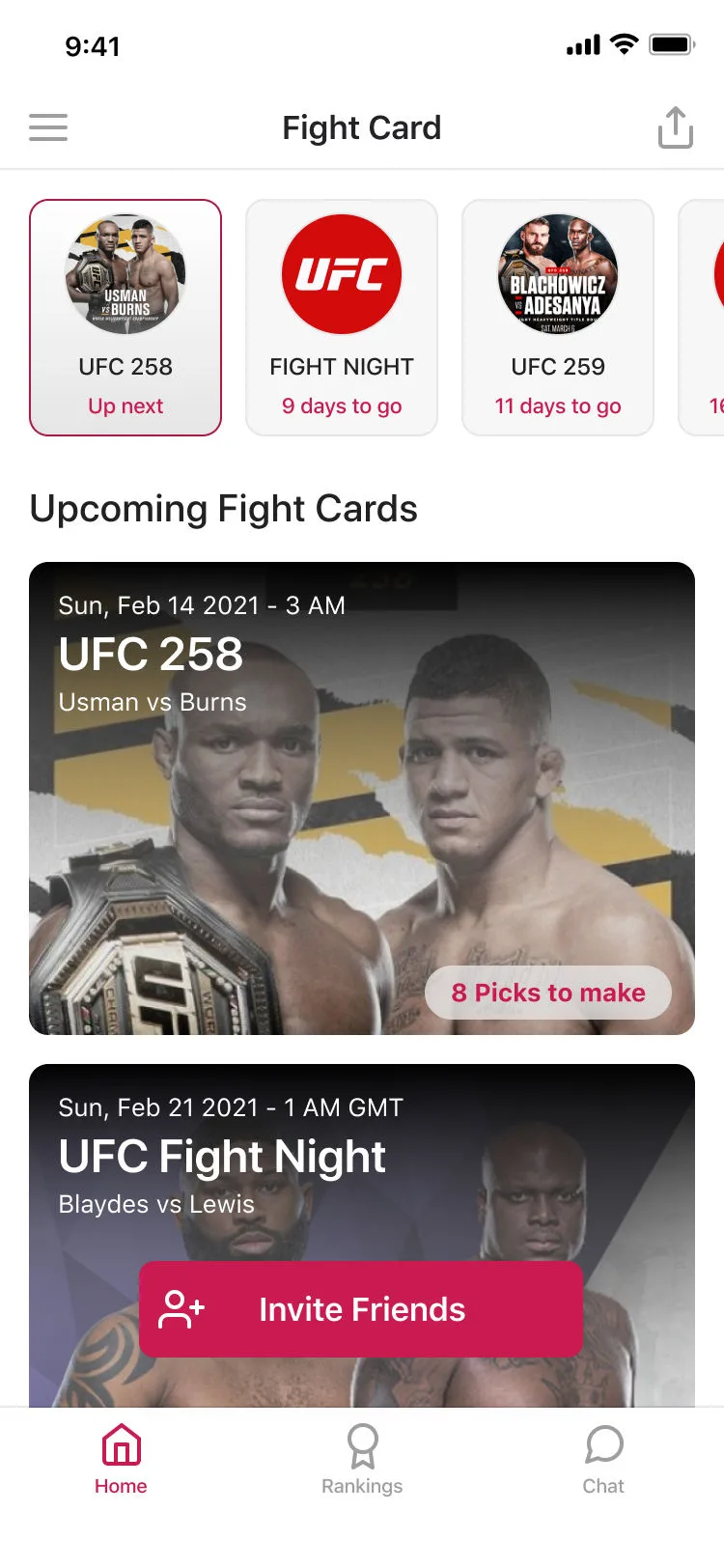
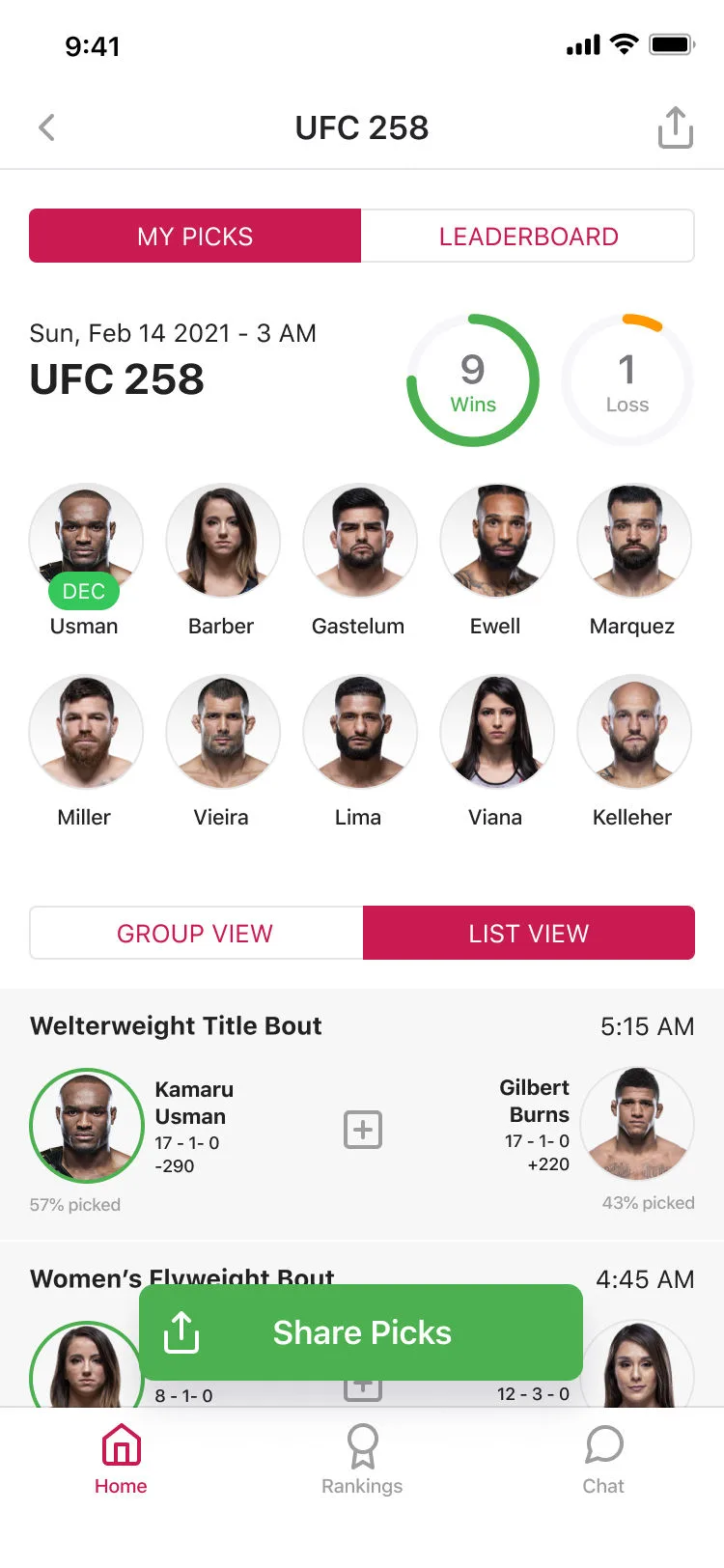
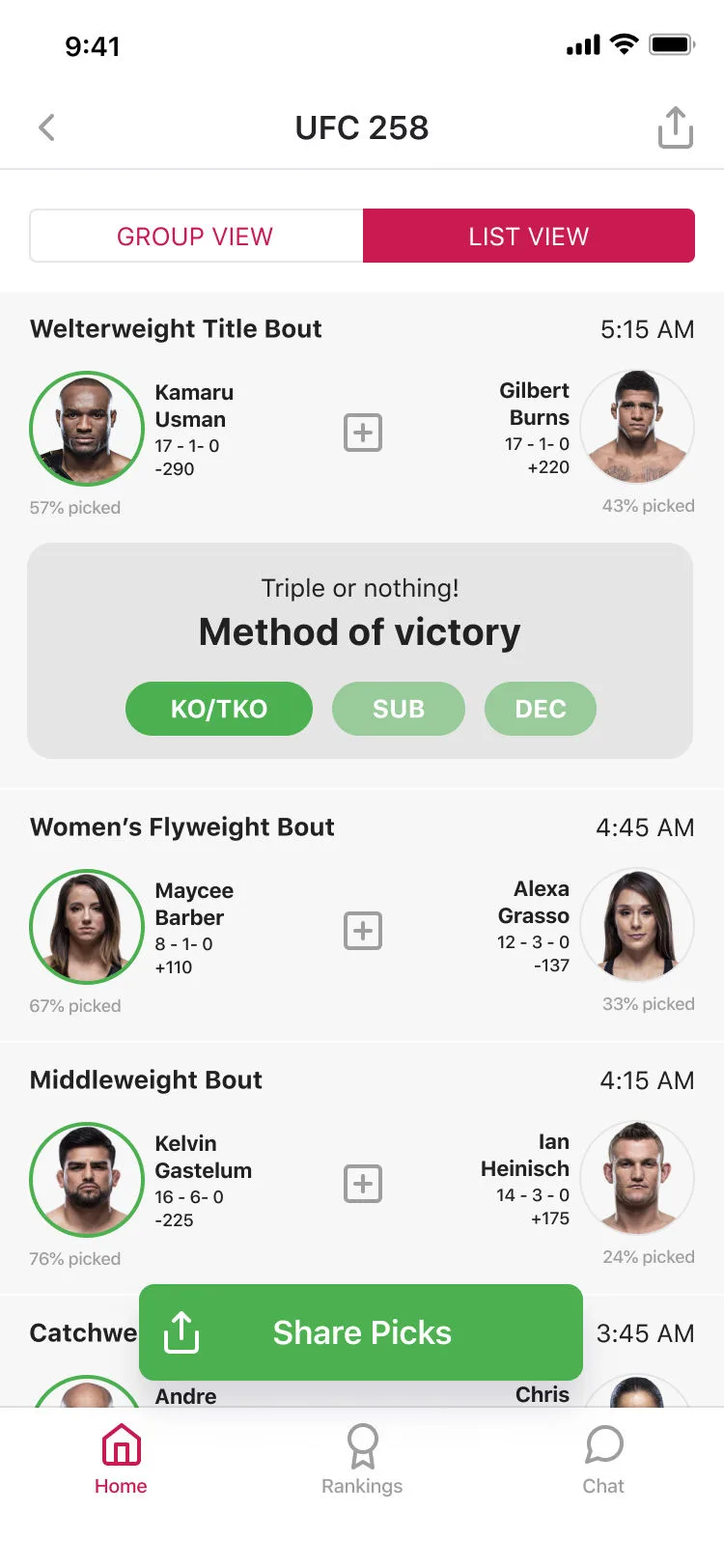
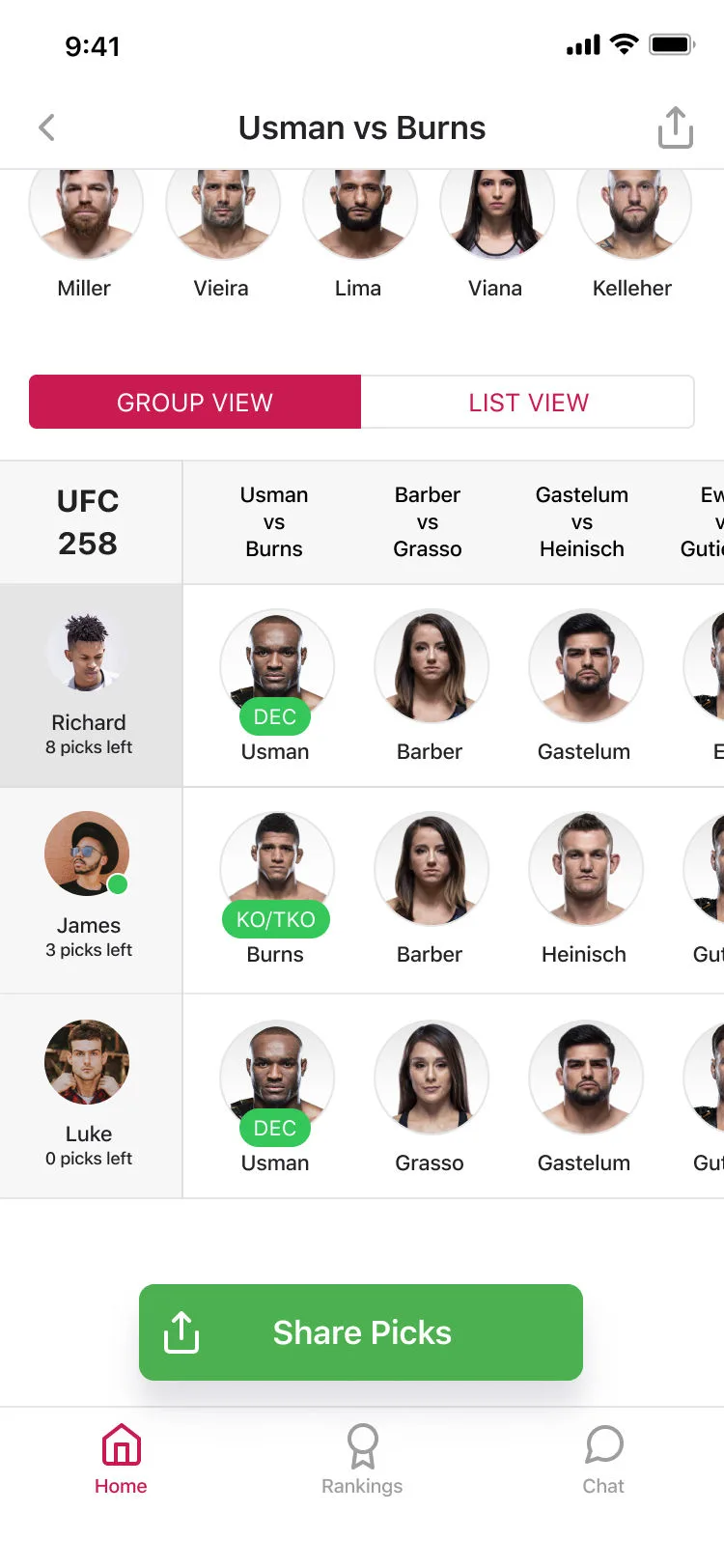
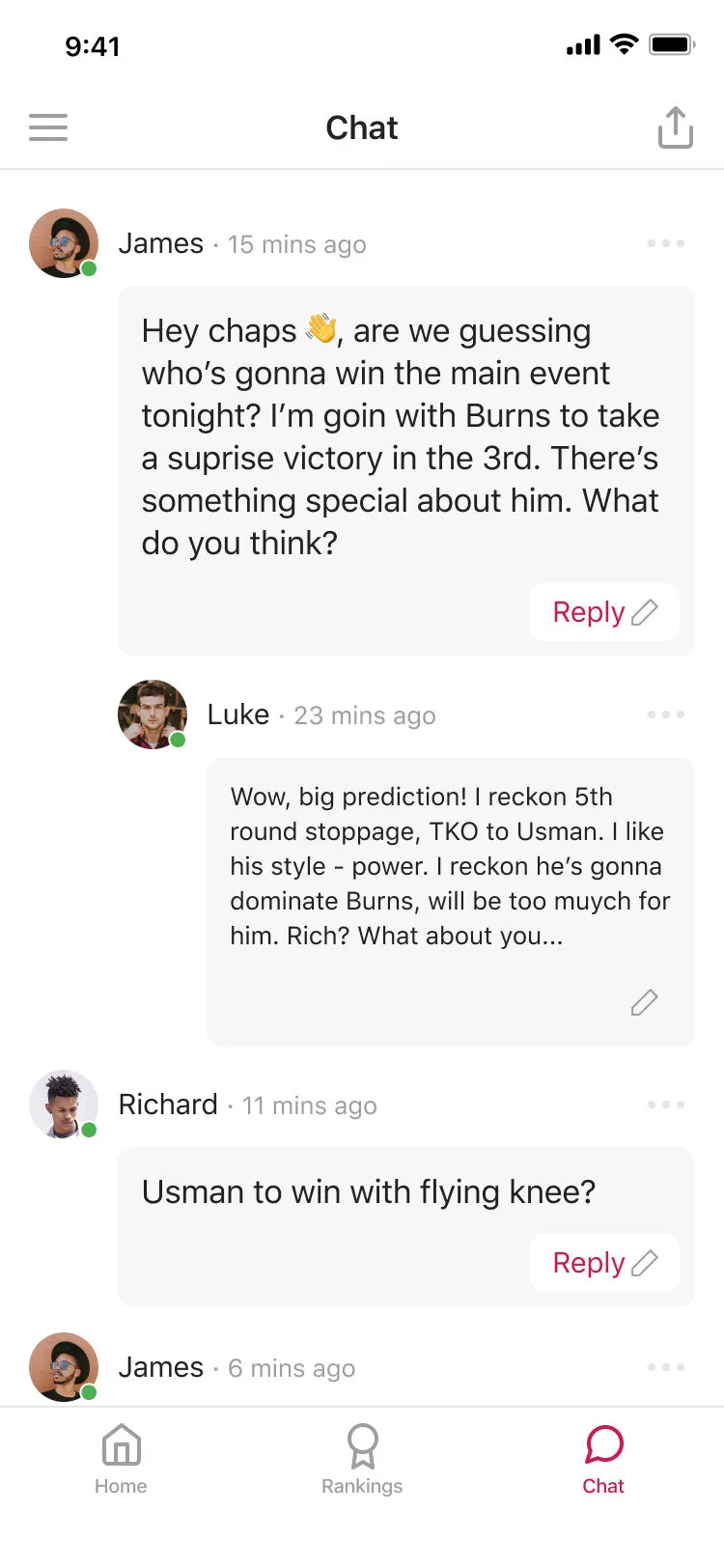
The app delivered an engaging, mobile-first fantasy sports experience tailored specifically to MMA. It featured intuitive navigation, event-based scoring mechanics, and distinctive visual branding that set it apart from mainstream fantasy platforms. The design foundation and component architecture enabled sustained iteration and expansion.
💡 What I Learned
Engaging with enthusiastic stakeholders who are also end-users brings distinct advantages and complexities — my own MMA interest helped build stronger alignment. The distributed, multi-zone environment underscored the necessity of asynchronous documentation, comprehensive record-keeping, and intentional stakeholder engagement. Establishing transparent workflows — from initial wireframing through delivery — proved essential for consensus-building and product enthusiasm.
Like what you see?
If you need design support — or think I'd be a great fit for a role — I'd love to hear from you.